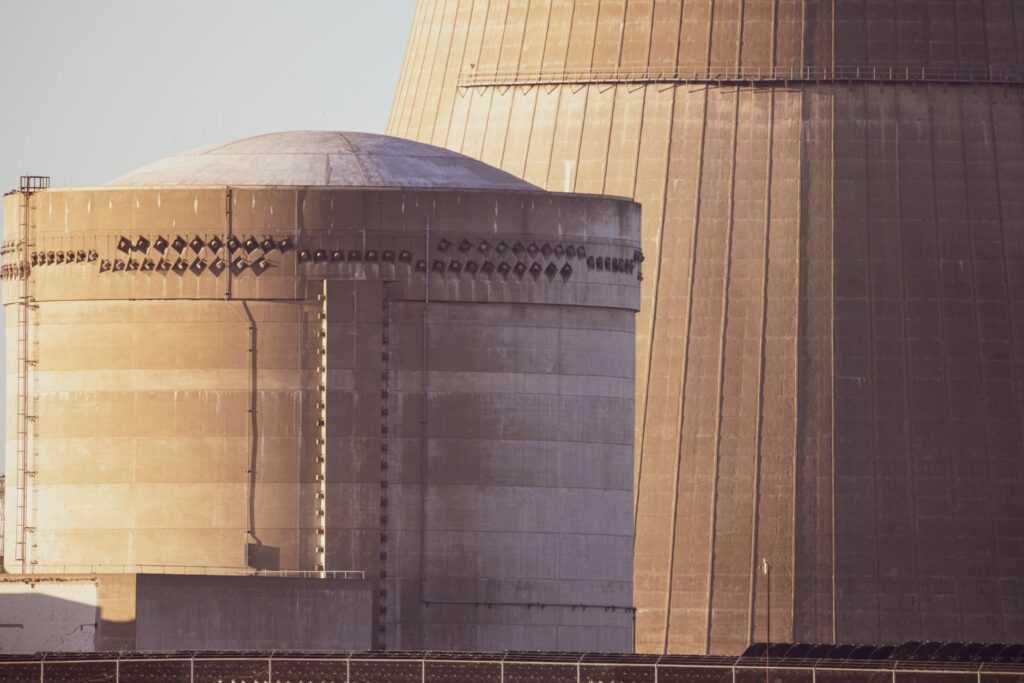
President Trump’s Executive Order 14420 declares a national emergency aimed at reducing vulnerabilities in the United States’ bulk power system. The concern is not limited to cyberattacks in the traditional sense, but also to risks that can travel through foreign-supplied electrical equipment—especially when that equipment includes remote-access features that could be used as backdoors.
According to the order, the emergency status reflects how quickly the power and technology landscape is changing, with rapid growth across data centers, AI, advanced manufacturing, and defense production. As these sectors expand, reliable electricity delivery becomes even more critical, and disruptions—whether from foreign supply chain issues or targeted exploitation—can have broader and faster consequences.
What the executive order covers
The directives focus on the bulk power system, specifically critical infrastructure that includes transmission lines rated at 69 kilovolts or higher. Importantly, the order explicitly excludes local electricity distribution facilities.
That scope matters because the bulk power system is the backbone that moves large amounts of electricity over long distances. When high-voltage components are affected, the potential operational impact can extend beyond a single site and can threaten grid stability.
Key technologies in the spotlight
The order points to a range of equipment and control components that can be part of modern grid operations. This includes both hardware and operational capabilities that may support remote access.
Examples named in the order include:
- Transformers
- Inverters
- Energy storage systems
- Industrial control systems (ICS) components, such as remote terminal units (RTUs)
- Programmable logic controllers (PLCs)
- Safety systems
Beyond physical devices, the order also extends to associated firmware and software, along with remote access capabilities. That broader coverage reflects a core idea: risk can reside not only in hardware design, but in how the equipment is managed, updated, and accessed once deployed.
Foreign backdoors power grid: why remote access is a focus
A key theme is the potential for foreign-supplied equipment to be exploited through built-in access pathways. Officials highlighted that grid reliability can amplify the harm caused by foreign supply chain disruptions—or by targeted attacks that take advantage of hidden or unintended “entry points” for remote operation.
While many discussions about grid cyber risk emphasize actors who conduct active intrusions, this order signals attention toward upstream supply chain concerns and embedded hardware backdoors. In other words, the goal is to reduce opportunities for unauthorized control before equipment is installed widely.
Restrictions starting after August 26, 2026
The order introduces clear timelines and conditions. For bulk-power equipment initiated for acquisition, import, transfer, or installation after August 26, 2026, restrictions apply if the transaction involves designated entities.
Those restrictions cover more than just the purchase of hardware. They also apply when the equipment or software is considered to pose risks such as:
- Sabotage
- Unauthorized access
- Malicious remote operation
- Supply disruption
Because the order describes these risks in functional terms, it suggests that the government will evaluate equipment based on what it enables—such as the presence of remote management features—rather than focusing only on where a device is manufactured.
No country named, but the structure resembles earlier actions
Notably, the executive order does not name a specific country. However, the overall structure is described as closely mirroring a similar bulk-power order issued during the prior Trump administration in 2020.
That earlier action ultimately produced a Department of Energy (DOE) prohibition order explicitly targeting entities associated with China. After a review under the Biden administration, that prohibition was later revoked.
This background matters because it signals how policy may be revisited and re-shaped over time. It also indicates that while this order does not explicitly call out a country, it fits into a broader pattern of using national security authorities to address grid supply chain risk.
What happens to equipment already installed
The directives also address the reality that many grid components are already deployed. For equipment installed prior to the new order, the Energy Department can require security controls.
The DOE may, after consulting with defense and intelligence leaders, require grid operators to take actions designed to neutralize operational threats while keeping service safe and reliable. Specifically, operators may be directed to:
- Identify certain components
- Isolate affected elements
- Monitor for suspicious behavior
- Secure systems to reduce exposure
- Disconnect where necessary
- Replace components that cannot be safely managed
At the same time, the order emphasizes continuity and safety, aiming to ensure that mitigation efforts do not compromise critical services.
How compliance could work for utilities and suppliers
To support ongoing grid operations, energy authorities may pursue additional steps to reduce uncertainty and make implementation more practical. Two approaches mentioned in connection with the directives include negotiating mitigation agreements and publishing an official list of pre-qualified equipment and vendors that are exempt from baseline prohibitions.
For utilities, this kind of pathway can help standardize expectations and reduce delays in procurement. For suppliers, pre-qualification can clarify what documentation, security posture, or risk factors may be required.
Implications for the energy sector
The executive order reflects a broader shift in critical infrastructure security. Instead of treating grid cybersecurity mainly as an issue of software patches and intrusion prevention, it expands the view to include hardware-linked risks—especially those that can provide remote access.
That shift is particularly relevant because grid equipment and industrial control systems are increasingly interconnected. As a result, vulnerabilities can persist not only through typical network pathways, but through device management interfaces, firmware update processes, and integrated remote monitoring.
By targeting foreign backdoors power grid vulnerabilities in the acquisition pipeline—while also enabling security measures for already-installed equipment—the order seeks to limit both new exposure and continuing risk.
Related developments underscore broader cyber pressure
While this executive order is focused on bulk-power equipment, the broader environment for energy-sector cyber risk remains active. Recent reporting discussed attempts to sabotage energy facilities and malware activity targeting energy organizations in other regions. These examples reinforce why governments and operators continue to treat cybersecurity and supply chain risk as intertwined concerns.
Conclusion: a supply-chain lens on grid security
Executive Order 14420 puts foreign backdoors power grid risks at the center of a national emergency declaration for the United States’ bulk power system. By restricting certain acquisitions and deployments after August 26, 2026—when transactions involve designated entities—and by empowering the Energy Department to mandate security actions for existing equipment, the order aims to reduce the chance that embedded remote access features can be exploited.
For grid operators and suppliers, the message is clear: security is increasingly being addressed before deployment, not just after incidents. As implementation details develop—through consultations, mitigation agreements, and possible pre-qualified vendor lists—utilities will need to balance reliability, safety, and new compliance expectations.
Source: https://www.securityweek.com/trump-order-aims-to-block-foreign-backdoors-in-us-power-grid-gear/