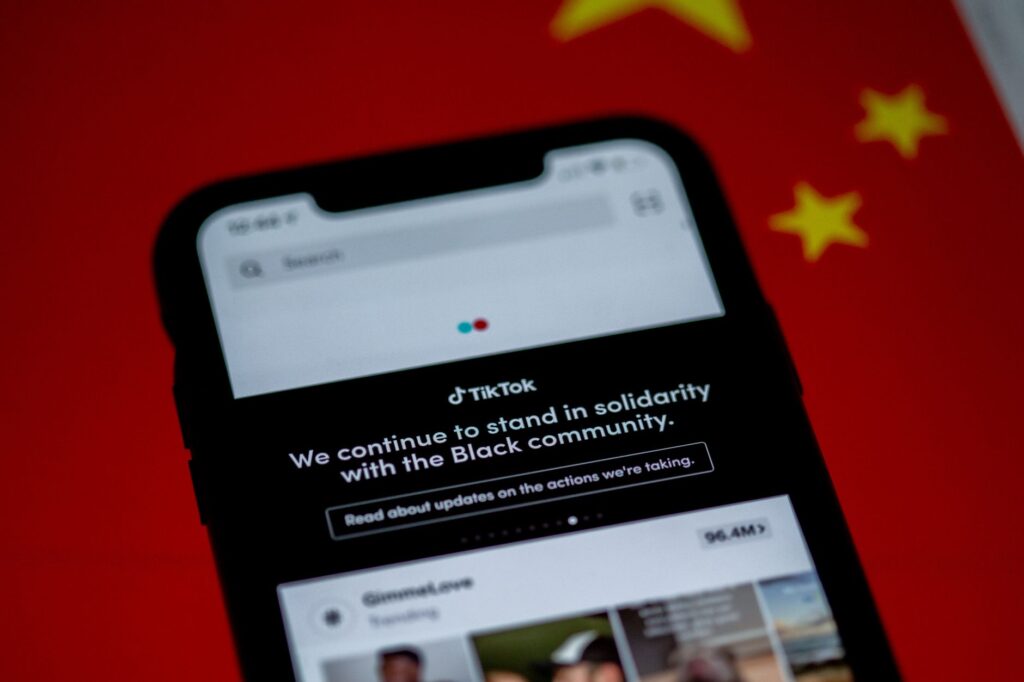
TikTok has agreed to a $400 million settlement with the U.S. Department of Justice, bringing an end to a lawsuit filed in 2024. The case alleged the company violated federal rules designed to protect children’s privacy online. Under the terms announced by the DOJ, TikTok will pay $300 million immediately, followed by $100 million later, after a court order removes an earlier consent decree tied to Musical.ly.
For parents, the settlement is framed as a step toward stronger compliance with children’s data protection expectations. For the company, it caps a significant legal dispute and comes amid broader scrutiny of how social platforms handle minors’ information.
What the DOJ alleged in the 2024 lawsuit
The DOJ’s complaint centered on a federal law that places strict requirements on apps and websites directed at children. That law requires apps aimed at kids under 13 to obtain verifiable parental consent before collecting certain personal information. According to the allegations, TikTok—along with its China-based parent company, ByteDance—failed to meet those requirements.
The suit also claimed the companies did not appropriately honor parental requests. Specifically, it alleged that parents sought deletion of children’s accounts, but the companies chose not to delete those accounts even after they allegedly knew the accounts belonged to kids under 13.
Details of the TikTok settlement children’s privacy
In the DOJ’s announcement, the settlement’s payment schedule is described as staged. TikTok will pay a large portion right away and complete the remaining amount after a procedural milestone.
- $300 million to be paid immediately
- $100 million to be paid after an order vacates an earlier consent decree involving Musical.ly
DOJ leadership characterized the agreement as both a substantial recovery and a reinforcement of privacy obligations for companies that hold personal information. The department emphasized its priority of protecting children online and ensuring legal responsibilities are met.
Why this case matters for parents and minors
This resolution highlights a continuing theme in U.S. enforcement efforts: when platforms have data about minors, they are expected to follow child-focused privacy rules consistently. The settlement is not only about the specific conduct described in the lawsuit; it also signals expectations for how companies should handle account deletion requests and parental consent processes.
For families, the most practical takeaway is that the debate is increasingly framed around two questions: Did the platform collect information in a compliant way? And did it respect parents’ rights to manage or remove a child’s account? The DOJ allegations addressed both.
TikTok’s changes in the U.S. business structure
While the legal case was ongoing, TikTok reportedly made major adjustments to its U.S. ownership structure. The most notable change referenced in the report involves the formation of a new U.S. joint venture.
In January, the company signed agreements with major investors—including Oracle, Silver Lake, and the Emirati investment firm MGX—to create the new TikTok U.S. joint venture. The structural shift is part of how TikTok has tried to address concerns and operational requirements in the U.S. market.
Although this settlement is legal in nature, changes like these can influence how governance and compliance are organized internally, particularly around privacy and data handling.
The broader wave of children’s privacy lawsuits
In its announcement and broader context, the settlement appears alongside a growing number of disputes involving children’s safety and privacy across the social media sector. The report notes that many lawsuits are emerging as regulators and plaintiffs challenge how platforms safeguard minors’ data and online wellbeing.
At the same time, multiple countries have taken steps toward restricting young children and teens from using social media apps. These developments contribute to a global compliance environment in which companies face both legal risk and policy pressure.
Comparisons to other cases
The TikTok settlement also comes as other major platforms face scrutiny. For example, the report references a federal trial involving Meta Platforms’ Instagram. That case, currently underway in Oakland, California, relates to allegations involving the 1998 Children’s Online Privacy Protection Act (COPPA) and additional state statutes.
These parallel matters suggest that enforcement is not confined to one company or one platform. Instead, it reflects how child privacy laws and related state requirements are being tested across different parts of the social web.
What happens after a consent decree is vacated
The payment structure includes a condition tied to an earlier consent decree involving Musical.ly. The DOJ said the final $100 million is expected after an order vacates that earlier decree against the predecessor company.
From a legal standpoint, this means the settlement isn’t only about the headline number. It also depends on court procedures and the timing of orders related to previous compliance agreements.
For stakeholders, the implication is that compliance outcomes can evolve even after the announcement of a settlement, especially when consent decrees and prior enforcement steps are being adjusted.
Why compliance expectations are increasing
Cases like this are a reminder that companies operating services with youth audiences must treat privacy compliance as an ongoing responsibility—not a one-time checkbox. The allegations described in the lawsuit focus on core obligations: parental consent and honoring account deletion requests in appropriate circumstances.
Even when a company undergoes organizational changes, the legal requirements remain grounded in what the service does and how data is processed. That means internal processes for consent verification, account management, and parental request handling become central to reducing risk.
Conclusion: a major settlement with continued implications
The TikTok settlement children’s privacy announced by the U.S. Department of Justice brings a $400 million resolution to allegations raised in a 2024 lawsuit about children’s data protection. With $300 million due immediately and an additional $100 million contingent on the vacating of an earlier consent decree, the agreement closes an important chapter in the case while leaving procedural steps that determine final timing.
Just as importantly, the settlement adds to a broader pattern of enforcement and litigation in children’s privacy and online safety. As regulators and countries tighten oversight of social media for minors, companies will continue to face heightened expectations around parental consent and the handling of minors’ accounts.