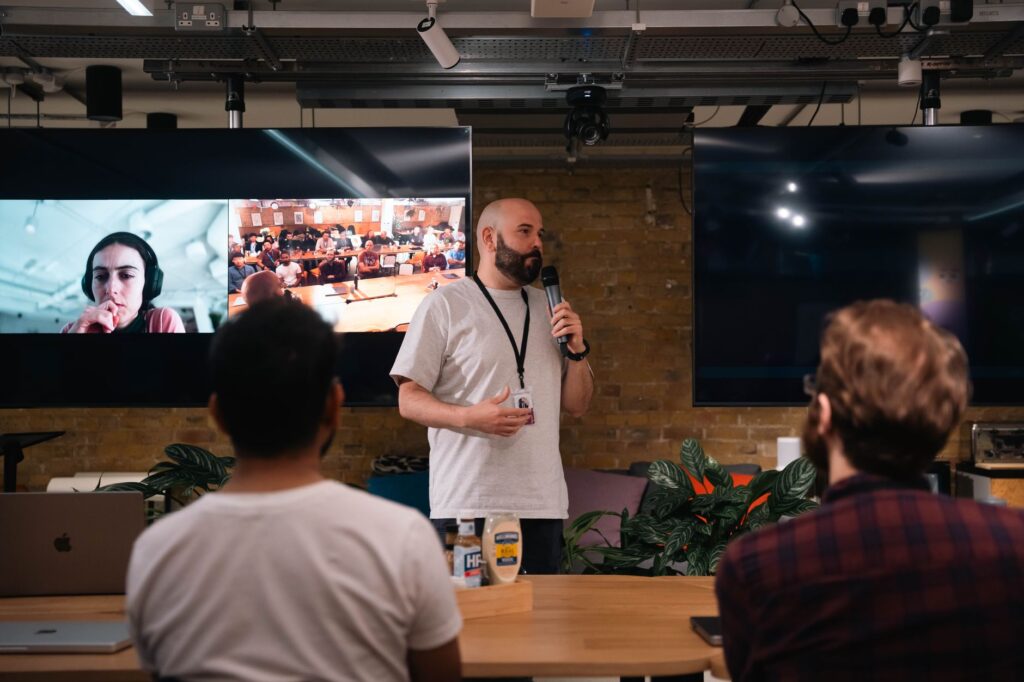
Today marks the start of CodeSecCon virtual event, a leading online gathering designed to help teams build, secure, and maintain applications more effectively. With more than 1,500 registered attendees, the event brings together developers and cybersecurity professionals who want real solutions to software security challenges—without losing momentum on delivery.
Across multiple sessions, CodeSecCon focuses on practical ways to strengthen applications from the inside out: writing more secure code, lowering the likelihood of software vulnerabilities, and improving collaboration between development and security teams. A dedicated theme throughout the agenda is how to integrate AI into applications safely while reducing the risk of exposing sensitive data.
Why the CodeSecCon virtual event matters for security teams
Modern software rarely stays “one system.” It grows into a connected set of services, cloud components, and developer workflows—each with its own security risks. CodeSecCon positions itself as a place to address those risks directly, with sessions aimed at concrete outcomes rather than theory.
Attendees are encouraged to apply the same thinking across the full lifecycle: designing for security, implementing secure coding practices, and aligning security and engineering work so issues are found earlier. The event’s structure also emphasizes how teams can reduce vulnerabilities and prevent unsafe behavior in increasingly complex development environments.
Secure applications through better coding and design
A core track of the CodeSecCon virtual event highlights how secure development begins at the coding and design stage. The event aims to help participants adopt best practices for secure coding and application architecture, so security is part of building—not something added after release.
Rather than treating security as a final checkpoint, the sessions are framed around minimizing risk as early as possible. That approach is especially important when software is evolving quickly and when new features are delivered continuously.
Reducing vulnerabilities with tools and techniques
Another major goal of CodeSecCon is helping teams reduce software vulnerabilities. The agenda emphasizes using innovative tools and techniques to minimize risk, including approaches that help identify weak points before they become exploitable problems.
Because vulnerabilities can emerge from many directions—implementation details, permissions, runtime behavior, and cloud configuration—the event repeatedly connects security engineering to how systems actually operate in production.
Bridging development and security with DevSecOps
Security is most effective when it’s integrated into how engineering teams work. CodeSecCon explicitly focuses on improving collaboration between security and development teams to support a DevSecOps culture.
This theme shows up in the way talks are selected: from organizational perspectives on removing “security gaps” to technical sessions on controls, hardening, and safe development practices. The result is a more unified pathway for teams that want shared ownership of security.
Safer AI integration: controlling data exposure risk
AI is increasingly part of how software is written and improved, but it can also introduce new security concerns—especially around sensitive data. CodeSecCon includes sessions that address how to integrate AI into applications in a way that reduces exposure risk.
Instead of approaching AI security as an afterthought, the agenda explores ways to set controls, manage access, and enforce boundaries. That focus helps teams think about what AI systems can see, what they can do, and where safeguards should live.
CodeSecCon agenda highlights
Below are selected sessions featured during the event day. Each talk is designed to connect a specific security challenge to actionable takeaways for developers and security professionals.
11:00 AM ET – Security bottleneck to revenue growth engine
This opening session connects security priorities with business outcomes, covering how leaders can turn security concerns into a driver for sustainable growth.
11:30 AM ET – Closing the security gap in agentic development
This session explores how to close gaps that can appear when agentic systems are introduced into development workflows—focusing on reducing risk while still enabling innovation.
12:00 PM ET – The cloud-powered enterprise: securing your cloud
Participants learn about securing cloud environments in practical terms, with emphasis on what matters for protecting systems at scale.
12:40 PM ET – Hardening WordPress: practical lessons from real incidents
This talk shares hardening guidance grounded in real-world incidents, providing concrete lessons that teams can apply when improving the security posture of widely used platforms.
1:15 PM ET – AI Gateway as a security control plane
Here, the discussion centers on using an AI gateway as a security control plane, including content, access, and operational controls to support safer AI-driven experiences.
1:45 PM ET – Securing agent runtimes and preventing over-permissioned code
This session focuses on securing agent runtimes, preventing jailbreak scenarios, and stopping code that runs with excessive permissions—key themes for safer automation.
2:15 PM ET – Hardening AI coding agents with hooks
Attendees will explore how hooks and least-privilege enforcement can help harden AI coding agents, especially when autonomous development capabilities are involved.
2:45 PM ET – Human-AI code collaboration: a structured approach
This session examines collaboration models for human-AI code generation, addressing how to structure teamwork between people and AI while keeping security in view.
3:05 PM ET – Beyond encryption: protecting sensitive telemetry
The final highlight focuses on protecting sensitive telemetry in cloud-native applications. The session looks at security beyond encryption alone, focusing on how telemetry can become a risk if not properly controlled.
Who should attend CodeSecCon
The CodeSecCon virtual event is a strong fit for developers who want to level up their secure coding practices, cybersecurity professionals looking for modern guidance, and teams working toward DevSecOps maturity.
If your organization is adopting AI in development tools, integrating AI-assisted features, or managing cloud-based systems, the day’s agenda is built to help you think through practical safeguards and control strategies.
How to get the most value from a virtual security event
To make the most of the day, plan around your current priorities. If you’re strengthening a codebase, focus on sessions that address secure coding, hardening, and permission controls. If your biggest risk is related to AI, pay attention to talks about AI gateways, operational controls, and limiting data exposure.
After each session, it helps to capture a short list of takeaways for your team—what you will change in processes, what you will validate in your systems, and what you will measure next.
Conclusion
The CodeSecCon virtual event is built for people who want to improve application security through better coding, stronger collaboration, and safer AI integration. With a packed agenda spanning cloud security, platform hardening, runtime protection, and telemetry safeguards, it offers a focused way to turn security lessons into real-world improvements.
If you’re looking for practical guidance that connects development work to security outcomes, CodeSecCon is a valuable event to attend today.
Source: https://www.securityweek.com/virtual-event-today-codeseccon-secure-your-code-and-applications/